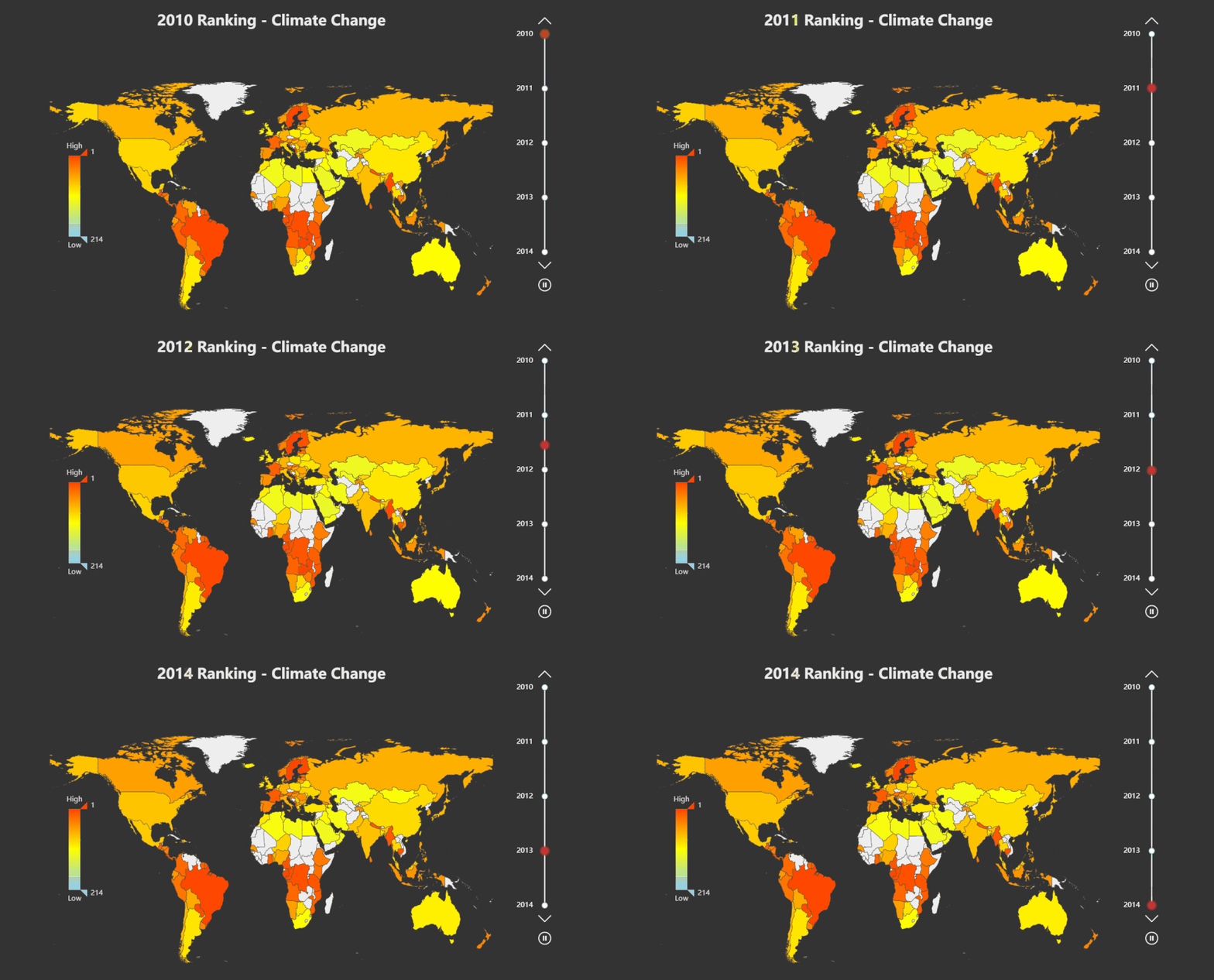
GENEVA, Switzerland — The World Health Organization (WHO) has issued a new set of global health guidelines aimed at addressing the long-term effects of rising global temperatures on public health. As heatwaves become more frequent and intense, the health body is urging nations to implement “Heat-Health Action Plans” to protect vulnerable populations.
New Strategies for Urban Cooling
The updated guidelines emphasize the importance of urban planning in mitigating heat-related illnesses. Recommendations include increasing green spaces, implementing reflective roofing materials, and ensuring public access to cooling centers. “Climate change is no longer a future threat; it is a present health crisis,” stated a WHO representative during the press conference. The report highlights that extreme heat contributes significantly to cardiovascular and respiratory complications.
Protecting the Most Vulnerable
A major focus of the new policy is the protection of elderly citizens, outdoor workers, and children. The WHO is calling for stricter labor regulations during extreme heat events and the integration of heat-health warnings into local weather forecasts. By providing clear, actionable advice, the organization hopes to reduce the number of preventable deaths associated with extreme weather patterns.
Global Cooperation and Funding
The announcement also touched upon the need for international financial support for developing nations to upgrade their healthcare infrastructure. As global temperatures continue to break records, the WHO stresses that proactive adaptation is the only way to safeguard global health security in the coming decade.
Stay informed with our latest updates on global health and climate policy as we track the implementation of these critical new measures.