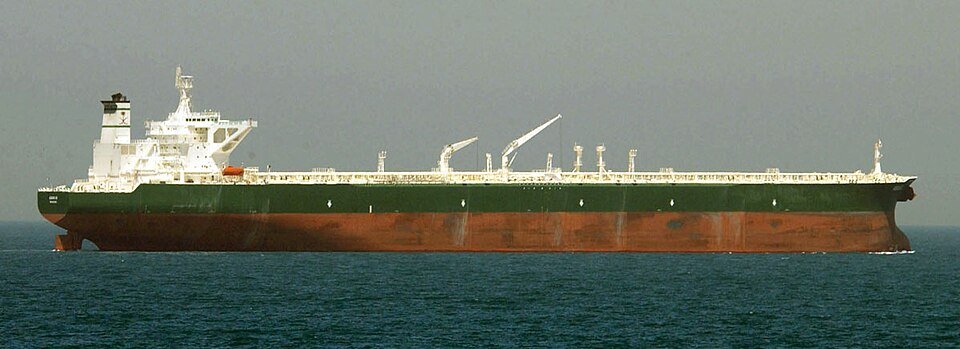
MUSCAT – In a significant maritime development, multiple Iranian crude oil transport vessels have successfully navigated past a United States naval perimeter in the Gulf of Oman, according to updated satellite tracking and maritime data.
The movement involved three prominent Iran-flagged tankers managed by the National Iranian Tanker Company: the Diona, the Hero II, and the Sonia I. Despite long-standing economic restrictions enforced by the U.S. Treasury Department, maritime transponder records indicated that two of the vessels maintained open location broadcasts while crossing the restricted zone, while the third re-activated its tracking system immediately after passing the security line.
Diplomatic Uncertainty and the Swiss Summit
This calculated maritime maneuver took place amid highly complex diplomatic signals exchanged between Washington and Tehran. While preliminary international reports suggested a potential easing of naval restrictions, U.S. naval commands subsequently clarified that operational enforcement would remain fully active until a formal diplomatic framework is established. A high-stakes diplomatic summit between the involved nations is scheduled to take place in Switzerland this Friday to address the ongoing regional impasse.
“The open navigation of these large-capacity vessels indicates growing confidence within Tehran that the current economic and operational constraints are nearing an end,” noted international maritime security analysts.
Strategic Routes and Cargo Volume
According to regional ship-tracking data, both the Hero II and the Sonia I initiated their journeys from the strategic Iranian port of Chabahar, traveling past the naval boundary lines before entering the open waters of the Arabian Sea. Concurrently, the Diona began broadcasting its location coordinates just outside the perimeter line, which stretches from the eastern coast of Oman across to the Iranian coastline.
Combined, the three large-scale vessels are transporting an estimated 3.8 million barrels of crude oil. As of Friday, none of the tankers have updated their transponders to reflect their final destination ports.