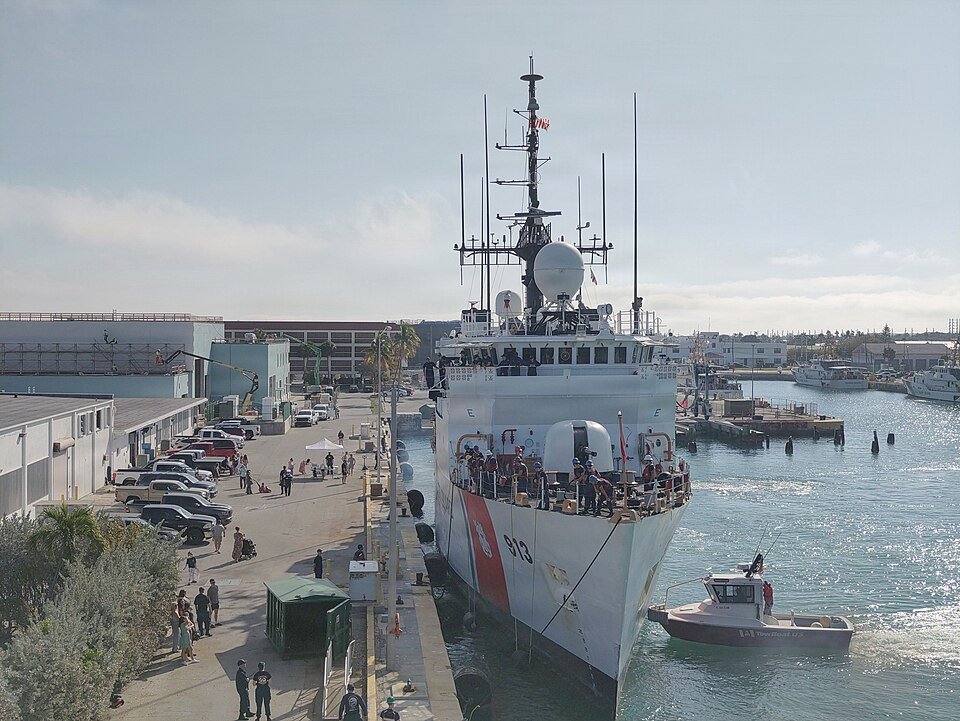
The UN’s International Maritime Organization (IMO) has announced the launch of a large-scale emergency operation to evacuate more than 11,000 sailors marooned in the Persian Gulf region due to the recent military conflict involving the US, Israel, and Iran.
IMO Secretary-General Arsenio Dominguez confirmed that the extensive evacuation framework is being executed in close coordination with Iran, Oman, the United States, and other regional coastal states.
“We have secured the necessary safety guarantees and have thoroughly verified the conditions for safe navigation to support these operations,” Dominguez stated, hailing the initial ceasefire roadmap as a decisive step toward restoring global maritime security.
Friction Over Treaty Details: The Nuclear Inspection Dispute
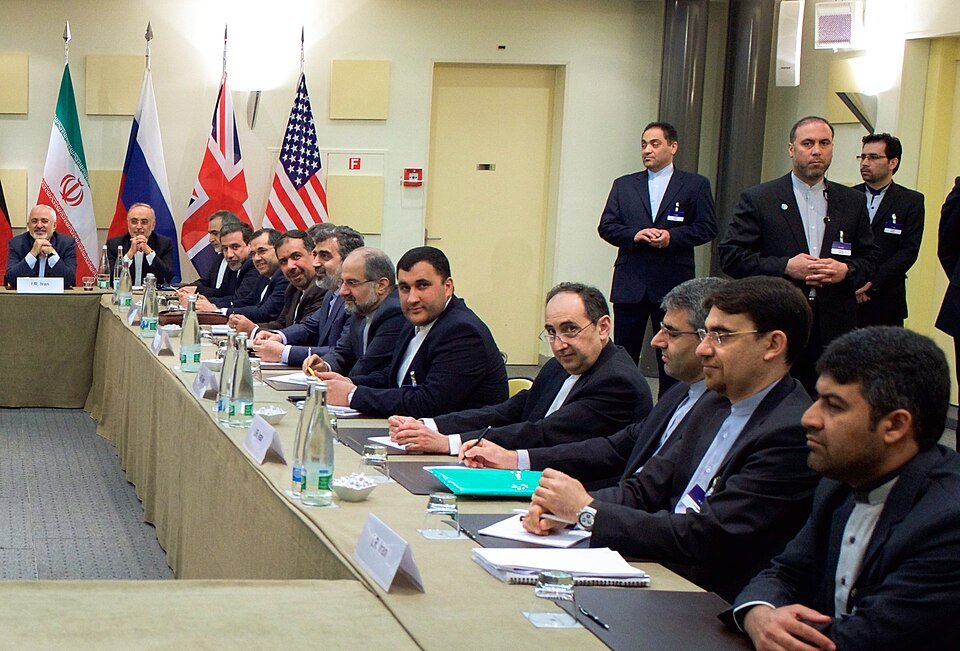
Despite the signing of a preliminary Memorandum of Understanding (MoU), Washington and Tehran are already clashing publicly over its technical execution.
- The US Stance (President Donald Trump): The US Commander-in-Chief took to social media to assert that Iran has fully capitulated to long-term, high-level nuclear inspections by the International Atomic Energy Agency (IAEA). “This will ensure ‘Nuclear Honesty,'” Trump posted.
- The Iranian Rebuttal: Almost simultaneously, officials in Tehran stated that UN watchdogs would be barred from inspecting nuclear facilities that sustained damage from US and Israeli airstrikes. However, a senior US official dismissed these remarks, claiming the Iranian regime is merely playing to its domestic political audience.
During an official diplomatic visit to Pakistan, Iranian President Masoud Pezeshkian remained defiant, stating that his country “will never negotiate with anyone, under any circumstances, ever, about our defensive capabilities”. Meanwhile, Pakistani Prime Minister Shehbaz Sharif clarified that ballistic missile restrictions were completely absent from the initial MoU negotiations.
Marco Rubio in the Gulf: “The Strait of Hormuz is Free, No Tolls Allowed”
Concurrently, US Secretary of State Marco Rubio has kicked off a high-stakes diplomatic tour of the Gulf, arriving first in the United Arab Emirates (UAE) before heading to Kuwait and Bahrain—both of which host critical US military installations.
Rubio issued a stern, unequivocal warning against recurring Iranian proposals to levy shipping tolls or transit fees on commercial vessels traversing the strategic chokepoint:
“It’s an international waterway. No country is allowed to charge tolls or fees on an international waterway. That’s existing international law. I think all the countries in this region would agree with us in that regard.”
Maritime Shipping Logistics and Stalled Tanker Backlog
The viability of the UN’s massive humanitarian evacuation hinges entirely on keeping the channel unobstructed. The IMO’s tactical blueprint utilizes two temporary transit corridors managed through Oman, with stranded vessels being contacted individually for navigation directives.
Following the outbreak of hostilities, Iran’s closure of the strategic strait choked off vital energy shipments and key global commodities, driving global Brent crude oil prices past the $100 per barrel threshold.
Data compiled by maritime intelligence firm Kpler reveals that since the treaty took effect, at least 172 commercial vessels have successfully transited the reopened chokepoint. Nevertheless, this remains drastically below the pre-conflict benchmark of roughly 138 daily crossings. Fresh satellite and tracking data confirm that a massive bottleneck of over 200 tankers remains backlogged inside the strait, waiting for their turn to clear the waterway safely.