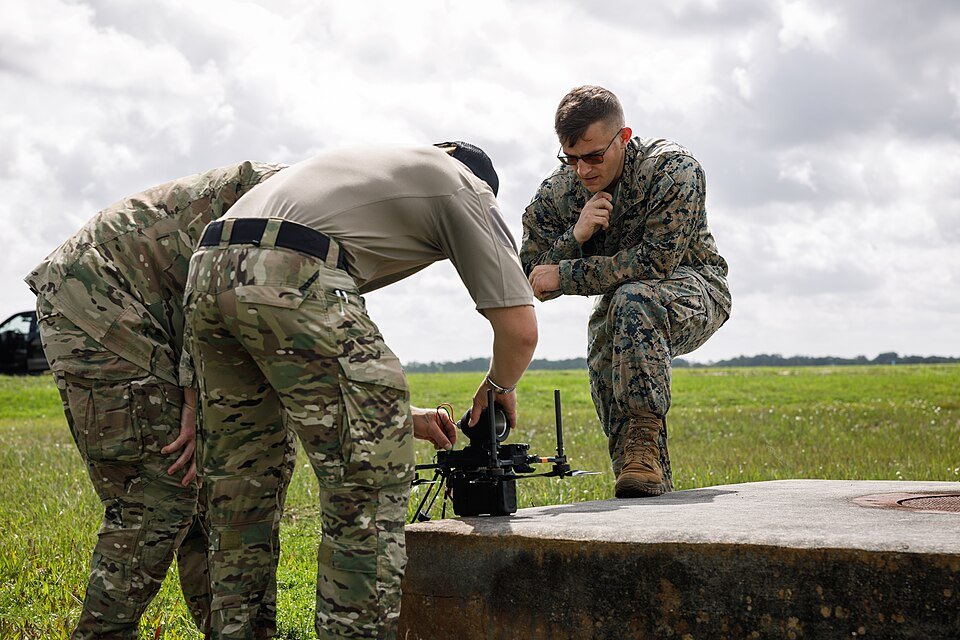
MOSCOW – Russian authorities have launched an extensive, highly organized campaign to recruit young people from universities and vocational colleges to replenish their military ranks in Ukraine. This new strategic initiative focuses on building specialized unmanned systems (drone) units, attempting to draw in students by promising high-tech training, substantial financial bonuses, and a safer environment far from the front lines.
According to data compiled by monitoring organizations and international observers, the recruitment drive has intensively expanded to encompass over 270 higher education and technical institutions across Russia. The Russian Ministry of Defense previously indicated that this initiative specifically targets individuals under the age of 35, who are considered more adaptable to mastering cutting-edge military hardware.
The Reality of the Front Lines and Broken Commitments
Although military advertisements promise students short, one-year contracts and protected positions as drone operators, family accounts and verified cases reveal a starkly different reality. Many young recruits with no prior military experience have ultimately found themselves deployed directly into frontline infantry operations or targeted in highly coordinated counter-strikes.
Legal experts and human rights advocates warn that the 12-month terms offered to students are legally problematic. Due to the partial mobilization decree that remains active in Russia, these military contracts are automatically extended indefinitely, making it nearly impossible for recruits to exit the service after their initial year.
Furthermore, recent tracking data reveals that serving as a drone operator no longer guarantees safety. Over 920 Russian drone operators have been confirmed killed since the outbreak of the full-scale conflict in 2022. This casualty rate is now comparable to losses sustained in artillery units, which are historically recognized as some of the most exposed positions on the battlefield.
Tracking the Total Cost of the Conflict
The heavy toll of this protracted war is reflected in the massive casualty estimates recorded by independent monitoring groups on both sides:
- Russian Military Casualties: Through verified cemetery records, war memorials, and official notices, over 230,000 Russian service members have been publicly confirmed dead. However, defense experts estimate that open-source tracking catches only 45% to 55% of the true toll, placing the realistic number of fatalities between 417,000 and 509,500 troops.
- Ukrainian Military Casualties: Officials in Kyiv last formally acknowledged approximately 55,000 fatalities, though Western intelligence agencies estimate the broader total of Ukrainian personnel killed, wounded, or missing in action similarly approaches 500,000.
Beyond patriotic appeals and massive financial incentives—which in major hubs like Moscow can exceed 5 million rubles for the first year—reports indicate that some educational institutions are applying pressure on vulnerable students. Those facing academic suspension or considering leave are frequently targeted by administrators to sign military contracts in order to meet regional recruitment quotas