There were wild celebrations throughout New York City on Wednesday night. Some fans stood on top of their cars on the crowded streets of Manhattan, while thousands of miles away in Santa Monica, roars could be heard from bars lining the beach.
But this wasn’t for a World Cup match. This was for the New York Knicks as they staged the greatest comeback in NBA Finals history to defeat the San Antonio Spurs.
It served as a stark reminder of what global football’s most prestigious tournament is up against in the United States, even as the US National Team prepares to kick off its campaign against Paraguay. Football—or soccer—simply does not hold the same level of cultural love in the US as sports like basketball and American football. In fact, a recent poll suggested that half of Americans surveyed do not care about the tournament at all.
The Return of the World Cup to US Soil
This is the second time the USA has hosted the men’s World Cup, having previously done so in 1994. That tournament had a significant and lasting impact on the sports culture in the country, boosting soccer’s popularity and paving the way for the creation of Major League Soccer (MLS).
But fast forward more than three decades to the present day, and the World Cup’s return has yet to fully capture the public’s imagination.
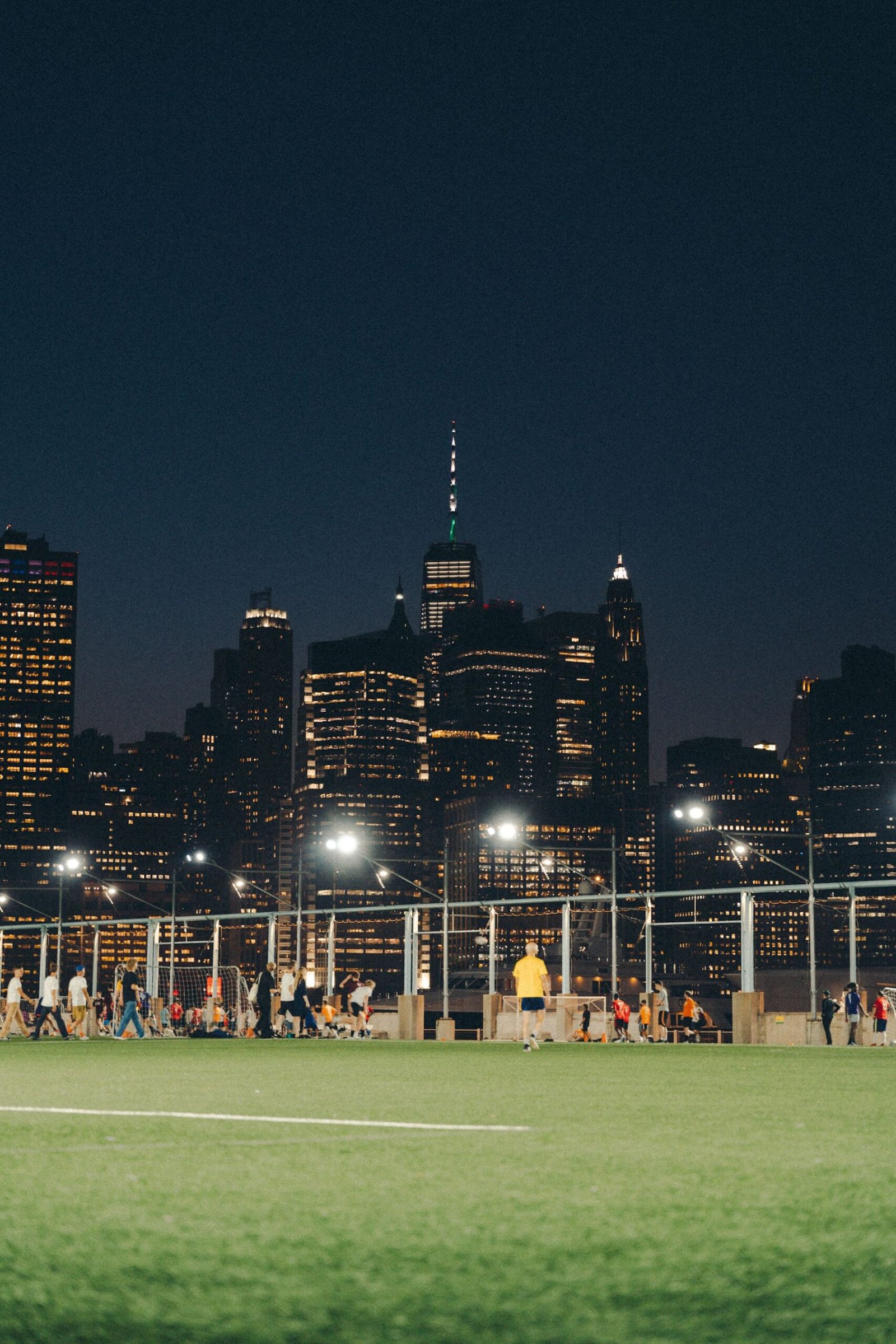
In New York, there is evidence if you look closely: subway trains are decked out in national team colors, Lionel Messi’s face dominates a giant billboard in Times Square, and fans walk around the Big Apple in Morocco and Brazil shirts ahead of their match at MetLife Stadium (rebranded New York New Jersey Stadium for the tournament).
Yet, basketball completely overshadows it. The Knicks lead the NBA Finals 3-1 against the Spurs and will clinch the national championship for the first time since 1973 if they win.
“You’ve seen Batman, right? You’ve seen Gotham, right? Man, Saturday night is probably going to be like that if the Knicks win,” one fan told reporters. “To be honest, I haven’t really kept up with anything about the World Cup. I don’t care about anything other than the Knicks.”
“There’s a World Cup Happening?”
Over in Los Angeles—where the host nation USA will play two of their three group games—it is a similar story. While there are promotional banners for “LA26” outside LAX airport and electronic billboards rotating members of the US squad, non-soccer fans remain completely oblivious. One taxi driver transporting journalists expressed genuine surprise: “There’s a World Cup happening? Who’s playing?”
However, tournament organizers expect the excitement to grow exponentially. “I think we have had a slow build that is leading to a frothy frenzy,” said Larry Freedman, co-chairman of the Los Angeles World Cup Host Committee. “With so many other sports and activities in LA, people focus on tomorrow, not years out. But now on the eve of it, people are getting very excited.”
The younger generation of Americans—those who did not experience the 1994 tournament—seem the most enthusiastic. “We have watch parties set up,” said a young fan named Mahon. “We have a few friends who are not into soccer, but we are trying to push that ‘Team USA’ country pride. I think it has surpassed baseball in popularity here, but I don’t think it will ever get as big as American football or basketball.”
Families Priced Out of the Stands
One of the biggest hurdles for native and traveling fans alike has been ticket pricing. Days before the USA’s opening match, tickets were still available, but with the cheapest seats starting at a staggering $1,120, many local families have been completely priced out.
“We have two girls in club soccer, so we are very much fans,” said Chris, a father from downtown LA. “Unfortunately, we will watch at home. The ticket prices and availability are a whole other subject.”
Ultimately, the trajectory of spectator interest will heavily depend on how well the USA national team performs. The longer they stay in the tournament, the more national momentum will build. If the US team manages a strong run, this tournament could mirror the lasting legacy of 1994, permanently changing the landscape of the sport in America.
Source: BBC Sport / EchoPress Newsroom