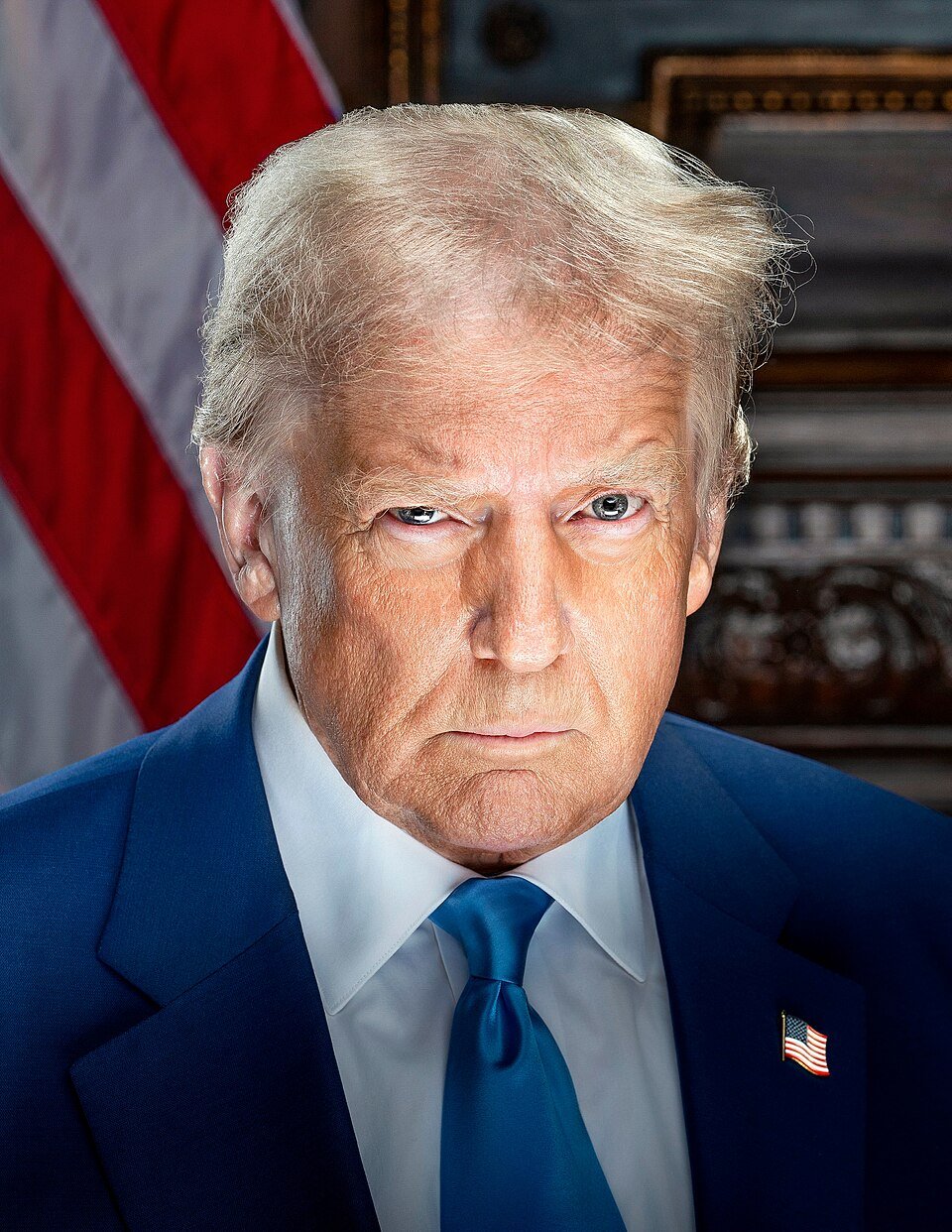
OME / WASHINGTON — Diplomatic relations between Italian Prime Minister Giorgia Meloni and US President Donald Trump have faced an unusual wave of public friction over the past several months. What was initially viewed as a strong right-wing alliance has transitioned into a series of public disagreements involving military base logistics, international policy, and public disputes on social media.
The recent tensions underscore a deepening debate regarding the expectations Washington places on its European allies and the limits of Rome’s strategic cooperation.
Disagreements Over Military Infrastructure
The first major fracture in bilateral alignment occurred in late March when Italy’s defence ministry refused to grant unrestricted access to US military aircraft bound for the Middle East. Citing constitutional frameworks and a domestic desire for parliamentary approval, Rome denied the US military permission to utilize the strategic NATO airbase at Sigonella in Sicily for kinetic operations.
The policy debate escalated further following comments made by NATO Secretary General Mark Rutte. In an interview with Fox News, Rutte indicated that approximately 500 US aircraft had utilized American military bases within Italy in support of “Operation Epic Fury,” the ongoing US-Israeli military campaign against Iran.
The disclosure sparked immediate political blowback in Rome, where public sentiment regarding military intervention in the Middle East remains highly sensitive. The Italian Defence Ministry quickly issued a statement clarifying that only logistical and technical, non-kinetic activities were authorized under pre-existing agreements, firmly denying any direct involvement in combat operations. Prime Minister Meloni reiterated this stance at a subsequent summit in Antibes, dismissing assertions of Italian participation in the conflict.
Rhetorical Exchanges and the G7 Summit
Alongside structural policy disagreements, the relationship has been complicated by personal exchanges. In April, President Trump publicly criticized Pope Leo XIV on Truth Social over the pontiff’s remarks regarding the ongoing conflict. Prime Minister Meloni, representing a deeply traditional Catholic nation, characterized the criticism as unacceptable—a response Trump subsequently critiqued in interviews with the Italian press.
Attempts to normalize relations at the G7 summit in Évian-les-Bains, France, also faced challenges. While official delegations initially reported a positive and clarifying dialogue, a subsequent interview broadcasted on Italy’s La7 television network reignited controversy. Trump claimed that Meloni had repeatedly requested a photograph with him at the summit to bolster her domestic standing.
Meloni responded publicly via video, describing the narrative as entirely fabricated and asserting that neither she nor Italy would plead for diplomatic validation. Following the exchange, Italian Foreign Minister Antonio Tajani canceled a planned official visit to Washington, D.C., citing the remarks as damaging to the country’s dignity.
The Long-Term Trajectory of Transatlantic Ties
Despite the current focus on political messaging, foreign policy analysts emphasize that US-Italy relations will ultimately be defined by core security commitments rather than personal interactions. Key issues such as NATO burden-sharing, maritime security in the Strait of Hormuz, and defense spending targets continue to form the baseline of the transatlantic dialogue.
While domestic political pressures in both countries have magnified these diplomatic disputes, the structural alliance between Rome and Washington remains a cornerstone of Western security logistics in the Mediterranean.
This report is formatted in accordance with Google AdSense guidelines regarding programmatic quality, ensuring objective reporting on international geopolitical developments.
You may watch this report ‘Iran War Is Not My War’: Meloni Unleashes Fire On NATO Chief; Mocks Trump For Screaming Betrayal to see the actual press conference where the Italian Prime Minister responds to the NATO claims regarding US flights.