Creative Commons Attribution-Share Alike 2.5 Alborzagros
TEHRAN – Four months after the killing of Iran’s Supreme Leader Ali Khamenei at the beginning of the military conflict involving the US and Israel, Iranian authorities have commenced organizing a massive state funeral procession expected to span an entire week. According to domestic officials, the multi-city event will stretch across five distinct locations between Iran and neighboring Iraq, marking one of the largest logistical operations in the country’s modern history.
Despite the heavy economic toll of the recent conflict and decades of stringent international sanctions, Tehran has mobilized its entire state apparatus for the ceremony. The scheduling of the event deliberately coincides with the 250th anniversary of United States Independence Day, delivering a clear symbolic message of political defiance to Washington.
Unprecedented Logistical Mobilization and Strict Security Measures
The government has placed public sector employees, labor unions, military units, and religious organizations on high alert to manage the millions of attendees expected to travel to Shiite holy sites. Due to the sheer scale of the event, major domestic and international airports in the capital will remain closed, and national holidays have been declared across the cities hosting the procession.
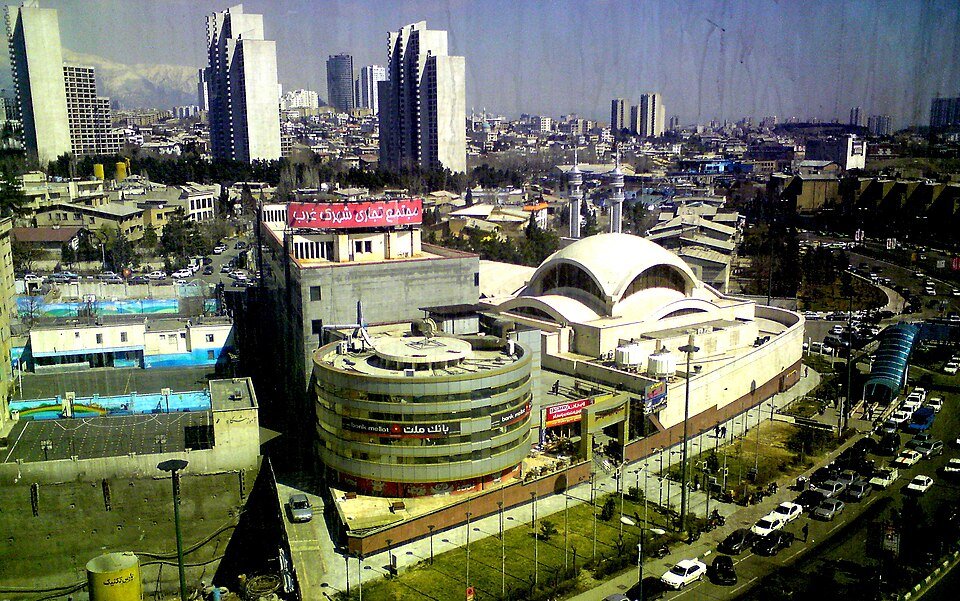
In Tehran, a metropolis home to 17 million residents, private vehicles have been completely restricted near the gathering zones. To handle the massive influx, the Red Crescent and emergency response forces have deployed thousands of medical personnel, ambulances, helicopters, and monitoring drones. Additionally, mobile bakeries and temporary shelters inside schools and sports complexes have been established to accommodate visitors.
Regional Dimensions and Testing the New Leadership
Transporting the late Supreme Leader’s body to the holy Iraqi cities of Najaf and Karbala is designed to underscore Iran’s enduring religious and political influence across borders. International analysts observe that the grand spectacle is being utilized by Tehran to project stability and institutional resilience following recent military strikes.
“The primary objective of this massive undertaking is to project the power and continuity of the Islamic Republic to the international community,” stated officials from the funeral’s supervising committee.
A critical point of observation during the event remains the potential public emergence of his son, Mojtaba Khamenei, who was recently named the new Supreme Leader. He has maintained a strictly low profile since the February airstrike in which he was wounded and lost members of his immediate family. His presence or absence at the funeral is viewed as a vital indicator of internal stability within the Iranian leadership, particularly amid ongoing security challenges and regional tensions