GENEVA, Switzerland — A tense, nearly two-hour dinner overlooking Lake Geneva left Group of Seven (G7) leaders completely in the dark regarding the explosive details of President Donald Trump’s new agreement with Iran.
According to officials familiar with the high-stakes meeting, some of the world’s most powerful leaders walked away from the pavilion just as mystified about the pact as they were walking in.
A Secret One-Page Deal
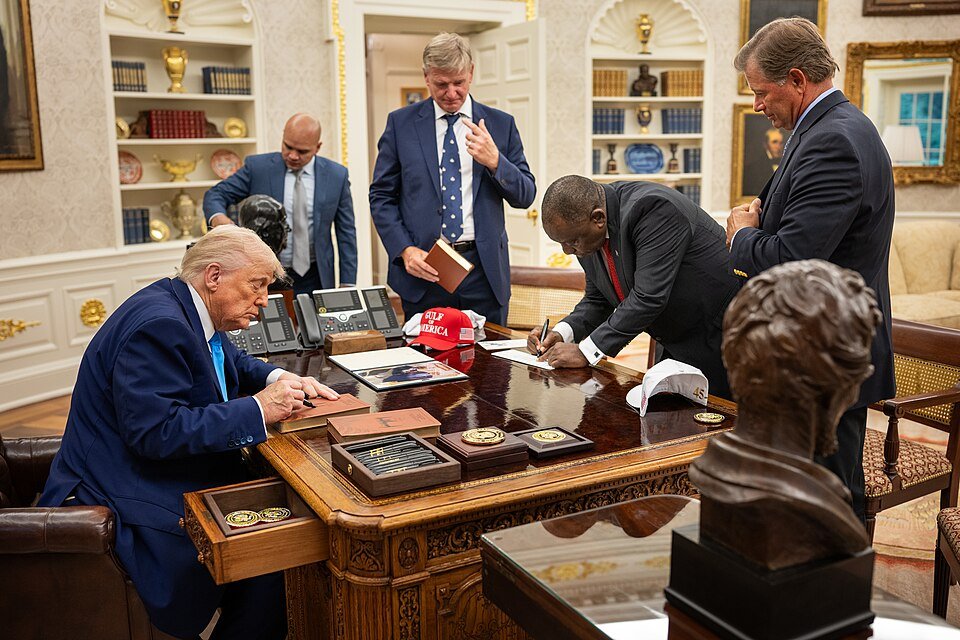
A day after Trump applied his electronic signature to the accord, the exact terms remain a closely guarded secret. Neither Washington nor Tehran has published the one-and-a-half-page document, spark contradictory statements from both sides and leaving even U.S. government officials offering conflicting explanations.
While a senior U.S. official suggested the memorandum would be released before Vice President JD Vance attends a formal signing ceremony in Switzerland on Friday, Trump himself offered a completely different timeline.
“I want it to be released. So probably pretty soon,” Trump stated while sitting alongside French President Emmanuel Macron. “I would say some time after Friday.”
Chaos Over the Strait of Hormuz
Without an official text, massive gaps in public understanding have already emerged, particularly regarding the crucial Strait of Hormuz.
While Trump boldly declared the strategic waterway would operate “permanently toll-free,” Iranian negotiators hit back, insisting they will maintain control and apply fees if necessary. Vice President JD Vance later admitted on CNBC that the final determination on tolls would only be ironed out during future “technical negotiations.”
The extreme secrecy has even alarmed Trump’s staunch conservative allies at home.
“I have asked for days, why can’t we, the people, see the damn MOU?” conservative commentator Mark Levin wrote on X. “If it is a great outcome for peace, then release it.”
Who is Footing the $300 Billion Bill?
The ambiguity makes it incredibly difficult for European allies like Britain and France to commit naval forces to clear mines from the Strait of Hormuz.
Meanwhile, Tuesday’s expanded meetings in Geneva will shift the focus toward funding. The United States is actively expecting Gulf nations—including Qatar, Egypt, and the UAE—to help foot the astronomical bill for a proposed $300 billion reconstruction fund for Iran.
U.S. aides insist that Iran will not receive major financial relief until they comply with American demands, but with critical aspects like Iran’s nuclear program still left to future talks, even U.S. officials remain unsure of what “appropriate behavior” from Tehran actually means.