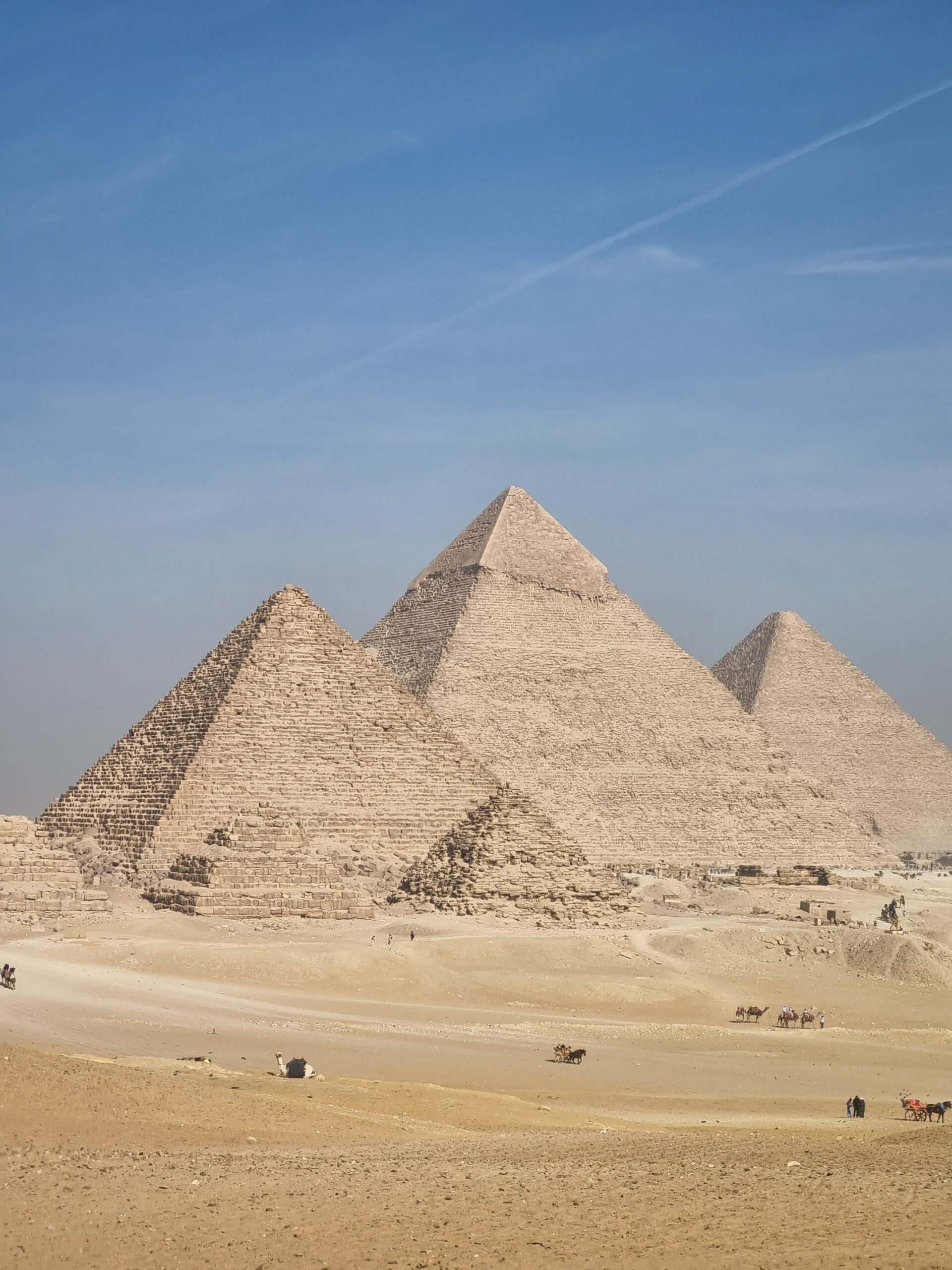
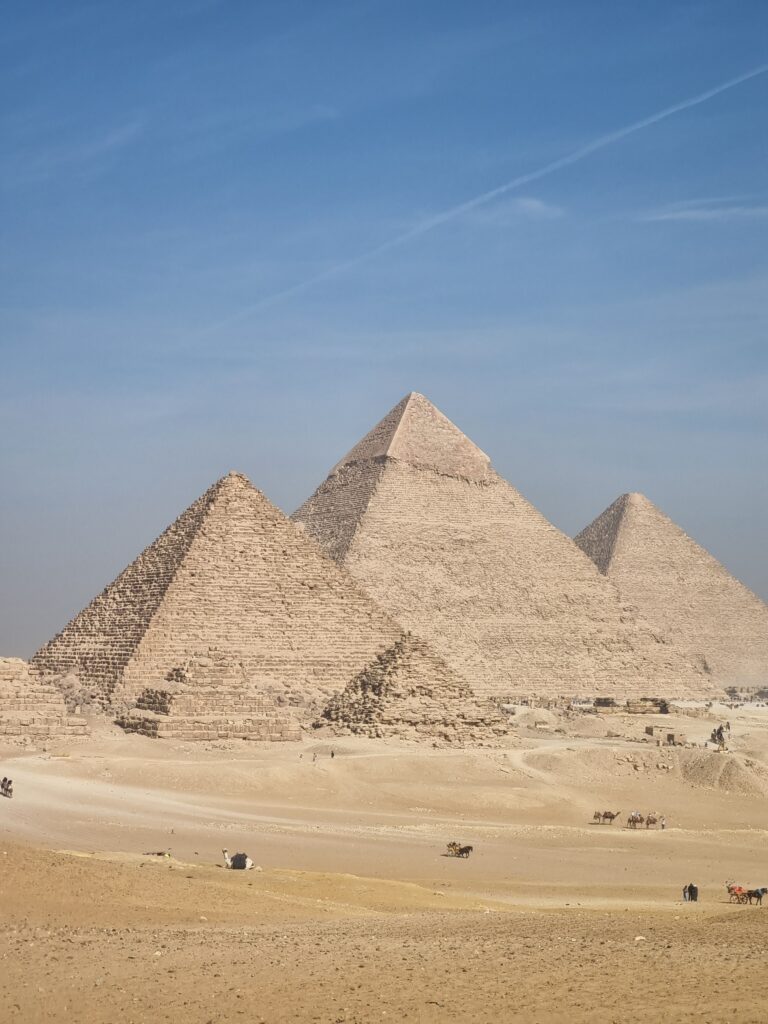
CAIRO — A team of international archaeologists has made a monumental discovery deep beneath the sands of Saqqara, near Egypt’s iconic step pyramids. Using advanced ground-penetrating radar technology, researchers have uncovered a massive, previously unknown underground chamber that could rewrite the history of ancient Egyptian civilization.
The subterranean structure, buried more than 50 feet below the desert surface, appears to date back over 4,500 years to the Old Kingdom era. Preliminary scans reveal a vast labyrinth of corridors leading to a central tomb that has remained completely untouched by grave robbers for millennia.
Experts believe this hidden complex belongs to a high-ranking royal official, or possibly a forgotten dynasty queen, whose existence was never recorded in ancient texts.
Inside the Hidden Tomb
While excavation teams have only just begun carefully drilling into the limestone roof of the chamber, robotic cameras sent through narrow air shafts have returned stunning, high-resolution images.
The visual data reveals:
- Intact Sarcophagi: At least three heavily decorated wooden coffins, still retaining their brilliant original pigments.
- Golden Artifacts: Dozens of golden statues, protective amulets, and ceremonial pottery jars meant to accompany the deceased into the afterlife.
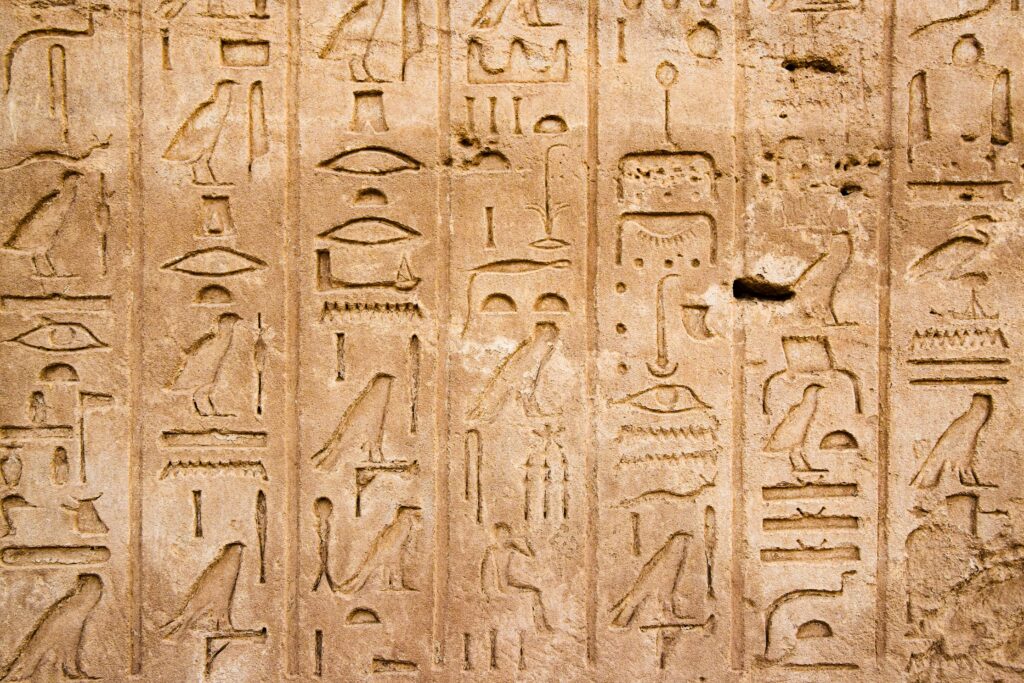
- Mysterious Hieroglyphs: Wall inscriptions featuring an unusual variant of ancient Egyptian hieroglyphs that local experts say they have never seen before.
Dr. Zahi Hawass, Egypt’s leading state archaeologist, called the find “the most significant discovery of the decade.” He added that the strange inscriptions suggest the occupant held secrets about the transition between Egypt’s early dynasties that were intentionally hidden from the public eye.
A New Tourism Boom?
News of the secret chamber has sent shockwaves through both the academic world and the global tourism industry. Egypt’s Ministry of Tourism and Antiquities quickly held a press conference in Cairo, hinting that selected artifacts from the chamber will eventually be displayed at the Grand Egyptian Museum.
However, the discovery also reopens intense debates among historians regarding how many undiscovered structures still lie hidden beneath the Giza plateau and surrounding royal cemeteries.
For commercial tourism, this miracle find comes at a perfect time, promising to draw millions of history enthusiasts and travelers back to the Nile. Official excavation of the main tomb is scheduled to begin next week under strict government supervision, with global media networks already scrambling for exclusive broadcasting rights