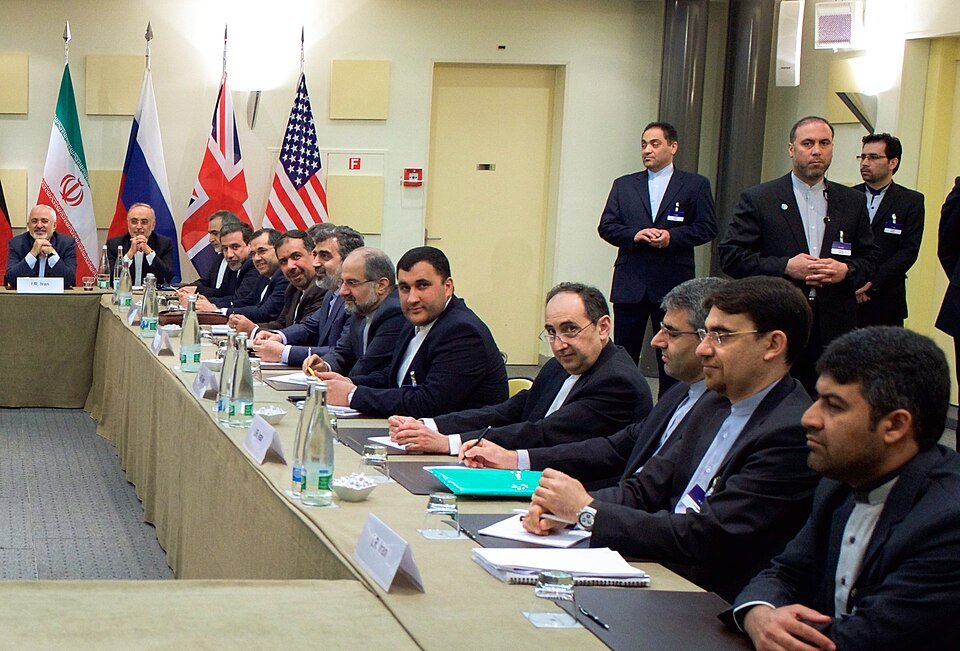
High-level US and Iranian delegations meet in Switzerland to discuss regional stability and the implementation of a ceasefire, while tensions persist in the Strait of Hormuz and Lebanon.
New Round of Negotiations in Switzerland
SWITZERLAND – A new round of high-level negotiations between the United States and Iran has officially begun in Switzerland, aimed at de-escalating military tensions across the Middle East. The meeting comes at a critical juncture, following a week marked by ongoing instability and combat operations in Lebanon.
The US delegation is led by Vice President JD Vance, while the Iranian delegation includes Foreign Minister Abbas Araghchi and Parliament Speaker Mohammad Bagher Ghalibaf. Pakistan, serving as a key mediator, is also represented by Prime Minister Shehbaz Sharif and Chief of Army Staff Field Marshal Asim Munir, who are facilitating the dialogue to ensure the implementation of the recently announced ceasefire.
Dispute Over the Strait of Hormuz
The status of the Strait of Hormuz remains a primary point of contention. Tehran has declared the closure of the strategic waterway, citing what it describes as a violation of the 14-point memorandum of understanding by the US, specifically regarding the “immediate and permanent termination of military operations.”
However, the US Central Command (CENTCOM) has strongly denied these claims. Spokesperson Tim Hawkins stated that “traffic continues to flow” through the strait, noting that 55 merchant ships carrying over 17 million barrels of oil crossed the area on Saturday. US forces remain on high alert to ensure that the vital global shipping lane remains open.
Conflict in Lebanon: Challenges to the Ceasefire
Despite the announcement of an immediate ceasefire last Friday, the situation on the ground remains volatile.
- Casualties: The Lebanese Health Ministry reported at least 47 deaths in a series of Israeli airstrikes on Saturday.
- Military Activity: The Israel Defense Forces (IDF) confirmed strikes on 80 Hezbollah-linked targets, reporting the death of four of its soldiers during the operations.
Speaking ahead of the talks, Vice President Vance expressed cautious optimism, stating that the objective is to ensure the safety and security of both Israel and Lebanon, aiming for a broader, long-term stabilization of the region.
Looking Ahead
International observers view these talks as a pivotal step. If both parties can successfully manage the current military friction, it may pave the way for a final, comprehensive deal over the next 60 days.
This story is developing and will be updated as further information becomes available from the negotiations.