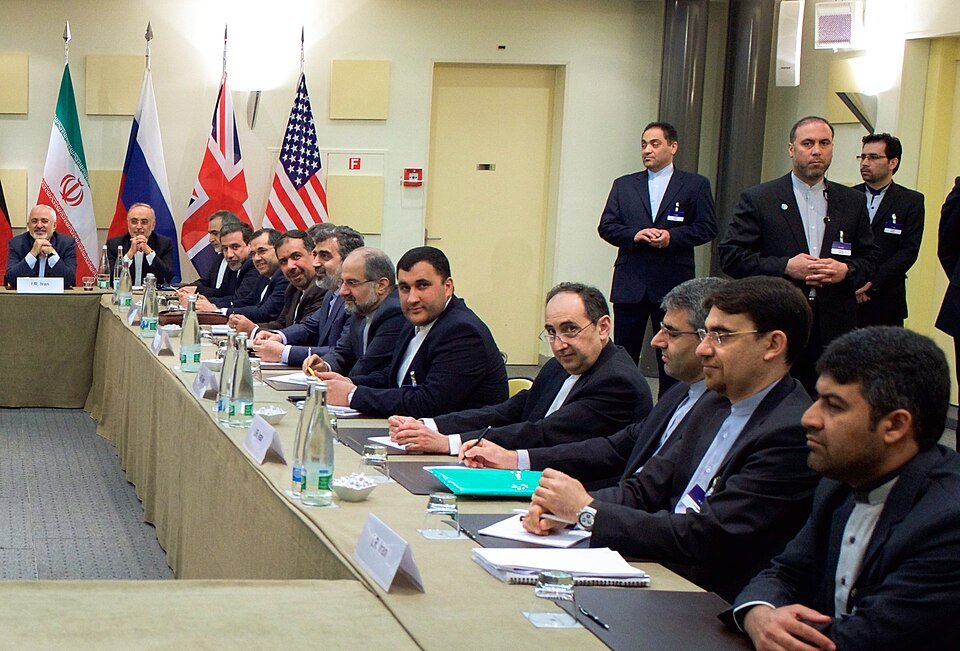
Fresh friction has erupted between Washington and Tehran immediately following the conclusion of the first round of peace talks in Switzerland. Iran has officially denied claims made by US Vice President JD Vance, who stated that international nuclear inspectors would soon be permitted to return to the country.
While Vance announced from the Bürgenstock resort that discussions with the International Atomic Energy Agency (IAEA) could resume within the day, Iran’s Foreign Ministry issued a sharp rebuttal through state media, clarifying that Tehran has made “no new commitments” regarding nuclear inspections.
Major US Concession: Oil Sanctions Paused for 60 Days
Despite the public sparring, Washington has made a massive economic gesture to signal goodwill. The US Treasury Department issued a 60-day emergency license, dismantling the core pillars of the sanctions regime that has choked the Iranian economy for decades.
This temporary measure, effective until August 21, introduces major policy shifts:
- Dollar-Denominated Sales: Iran is permitted to sell crude oil and petrochemicals in US dollars for the first time in decades.
- Direct Shipments: Iranian oil can be imported directly into United States territory.
- Banking Access: The waiver unlocks formal banking transactions, insurance, and shipping networks, bypassing the complex underground channels Tehran previously relied on to sell its crude.
Treasury Secretary Scott Bessent argued that this relief was granted under the impression that Tehran had committed to keeping the strategic Strait of Hormuz open and allowing IAEA inspectors back in—a point heavily emphasized by President Donald Trump on social media, but now contested by Iranian diplomats.
“No New Commitments” — Tehran Stands by Existing Protocols
Iranian Foreign Ministry spokesperson Esmail Baqai told the state news agency Irna that any future engagement with UN watchdogs would occur strictly under existing frameworks established by the Iranian Parliament and the Supreme National Security Council.
Iran suspended IAEA access to key facilities last summer following airstrikes, which subsequently led the UN nuclear agency to withdraw its remaining inspectors from the country.
Meanwhile, JD Vance acknowledged that Iranian negotiators threatened to walk out of the Swiss talks on Sunday after Trump warned on social media that the US could “hit Iran very hard again.” Vance explained to the delegation that Trump was merely responding to hostile rhetoric from Tehran. Nonetheless, Trump issued a fresh warning from the Oval Office: “If Iran doesn’t live up to their agreement… I will do what I have to do.”
Next Steps: Working Groups and the Lebanon Test
According to Iranian state media, lead negotiators have departed Switzerland following the conclusion of preliminary technical talks. Specialized working groups are now being formed to tackle specific pillars of the roadmap over the next 60 days, focusing on nuclear issues, economic sanctions, and reconstruction plans.
Mediators Qatar and Pakistan confirmed that a direct communication line has been established to ensure the safe passage of commercial vessels through the Strait of Hormuz. Additionally, a “de-confliction cell” has been set up to monitor the fragile ceasefire between Israel and Hezbollah in Lebanon. Iranian Foreign Minister Abbas Araghchi noted that the “first real test” of this diplomatic breakthrough will be whether the peace in Lebanon holds.