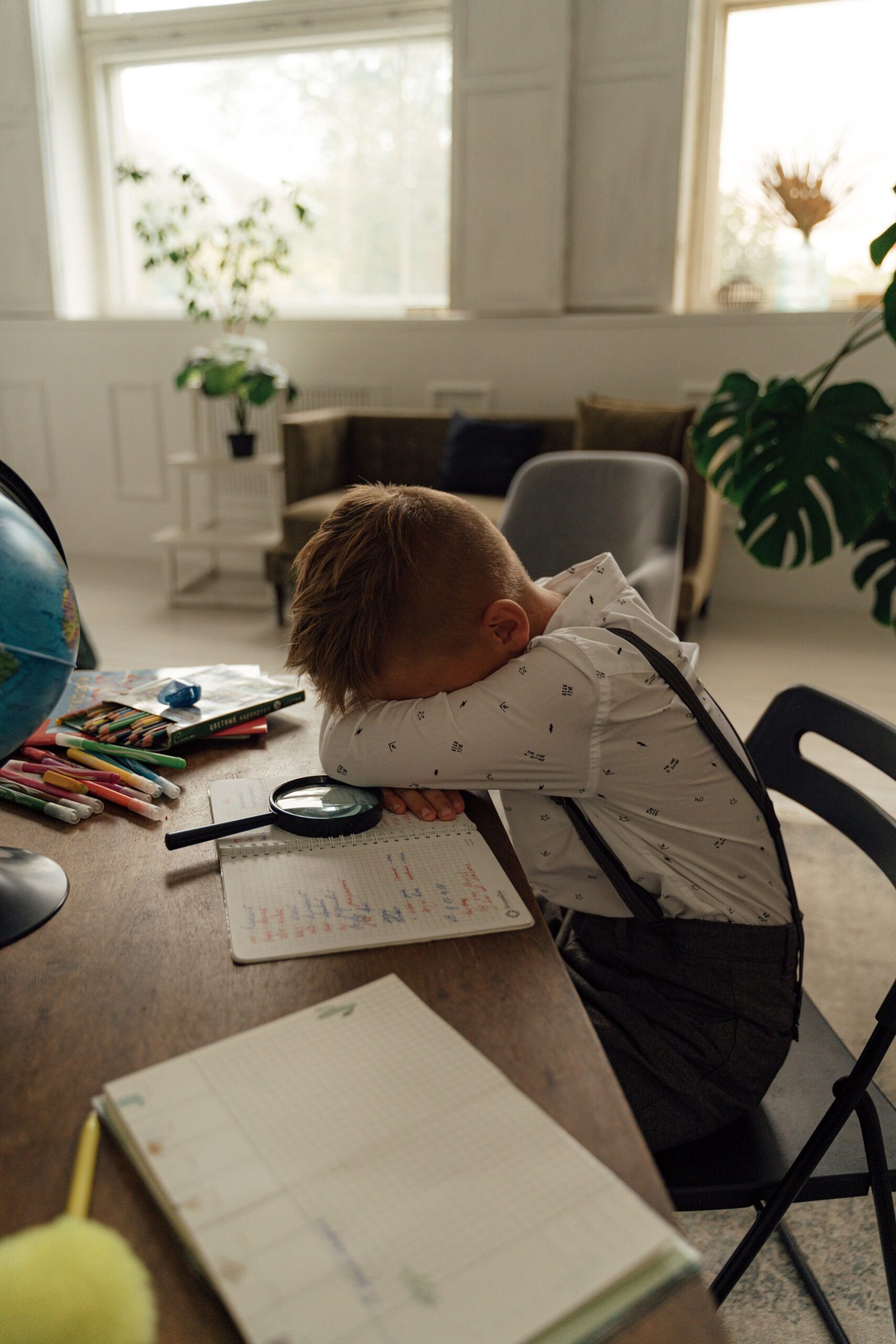
Smacking or hitting children as a form of discipline can lead to poorer school grades and increase the likelihood of risky behavior during adolescence, according to a major new study conducted by researchers at University College London (UCL).
The comprehensive research analyzed the long-term impact of physical punishment on approximately 19,000 children born in the United Kingdom between 2000 and 2002. Researchers tracked the participants at ages three, five, and seven, as reported by the BBC.
According to the research team, physical punishment “offers absolutely no benefits,” with the results overwhelmingly linking the practice to harmful developmental outcomes. Following these findings, the researchers have called for a total legal ban on physical punishment in England and Northern Ireland, aligning them with Scotland and Wales, where the practice is already illegal.
“Our findings clearly show that physical punishment does not help children, and all observed effects pointed toward harmful outcomes,” said Anja Heilmann, the lead researcher of the study.
Poorer Exam Results and Higher Risks in Adolescence
As part of the project, researchers examined the performance of 7,559 students taking their GCSE exams in England. The data revealed significant correlations:
- Academic Decline: Children who experienced physical punishment were 5.7% more likely to fail to achieve five passing grades in their exams, including core subjects like English and Mathematics.
- Risky Behavior: The study found that 14-year-olds who had been physically punished during early childhood were 33% more likely to engage in high-risk behaviors, including bullying.
However, the researchers note that this is an observational study. This means it cannot directly prove that physical punishment is the sole cause of these outcomes, as various other external environmental factors may have influenced the children’s lives over the years.
The Ongoing Debate in the UK
The debate surrounding a total ban on physical discipline continues to spark discussion in the United Kingdom. Advocates for the ban argue that children deserve the exact same legal protection from physical violence as adults. Conversely, critics warn that passing such legislation could unintentionally criminalize well-meaning parents.
The study also highlighted shifting trends, revealing that one in five 10-year-old children had experienced some form of physical punishment up until 2021. The data additionally noted that mothers with higher levels of education were statistically less likely to implement physical methods as a form of discipline.
Source: BBC