The first round of high-level negotiations between the United States and Iran has concluded with “encouraging progress,” according to a joint statement released by international mediators, Qatar and Pakistan. The talks, which began on Sunday in Switzerland, aim to secure a final agreement to bring an end to the armed conflict.
According to the mediators’ statement, the High-Level Committee has agreed to a “roadmap” designed to reach a final deal within a 60-day timeframe. Meanwhile, technical-level talks are set to continue throughout the week.
Security in the Strait of Hormuz and Calming the Front in Lebanon
Iran’s Foreign Minister, Seyed Abbas Araghchi, confirmed that the dialogue delivered major progress, particularly regarding efforts to end the conflict in Lebanon.
To prevent military incidents and guarantee freedom of navigation, both sides have agreed on two critical points:
- Direct Communication Line: A hotline has been established to avoid miscommunication and ensure the safe passage of commercial vessels and oil tankers through the strategic Strait of Hormuz (where roughly 20% of the world’s energy transits).
- Military Coordination Cell: Facilitated by Qatar and Pakistan, a “de-confliction cell” has been created between the US, Iran, and Lebanon to eliminate misunderstandings and halt military operations on Lebanese soil.
This step comes amid recent tensions where, despite the signing of an initial memorandum of understanding last week, fighting between Israeli forces and Hezbollah escalated in southern Lebanon, causing numerous civilian casualties and prompting Tehran to temporarily claim a shutdown of the strategic shipping lane.
Trump’s Warnings and Tehran’s Firm Stance
Although the meetings marked steps forward, the talks in the Swiss cities of Lucerne and Bürgenstock took place against a backdrop of harsh rhetoric. US President Donald Trump warned via social media that Iran must immediately stop its highly paid proxies in Lebanon from causing trouble, threatening to hit Iran very hard again if they failed to comply.
Iran’s lead negotiator, Mohammad Bagher Ghalibaf, responded firmly to Washington’s warnings:
“Don’t they think that if their threats had any effect, they wouldn’t be in this desperate situation today? No matter how much they talk, it is we who take action.”
On the other hand, Israeli Prime Minister Benjamin Netanyahu reiterated that the Israeli military will remain in southern Lebanon for as long as necessary to protect northern Israel—a position categorically rejected by Hezbollah leader Naim Qassem.
Turning Over a New Leaf in Bilateral Relations?
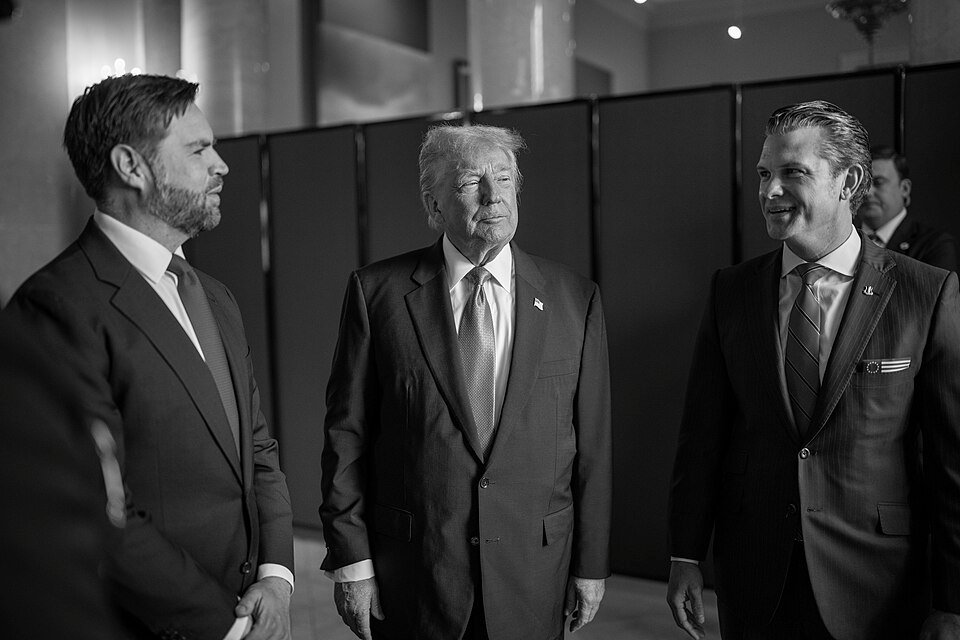
The leader of the US delegation, Vice-President JD Vance—who was joined in Switzerland by Jared Kushner and other high-level special envoys—stated that Trump has asked negotiators to “turn over a new leaf” in relations with Iran.
According to Vance, if Iran’s leadership is willing to give up being a driver of regional instability and abandon its long-term nuclear weapons ambitions, the US is fully prepared to fundamentally transform its diplomatic and economic relationship with the country. Tehran has continued to maintain that its nuclear program is intended for exclusively peaceful purposes.
The initial agreement outlines that the US will lift its military blockade on ships traveling to and from Iranian ports and terminate all types of economic sanctions, alongside a $300 billion plan for the reconstruction of Iran. The primary unresolved issue—Iran’s nuclear program—is expected to be the central focus of intensive negotiations over the coming weeks.