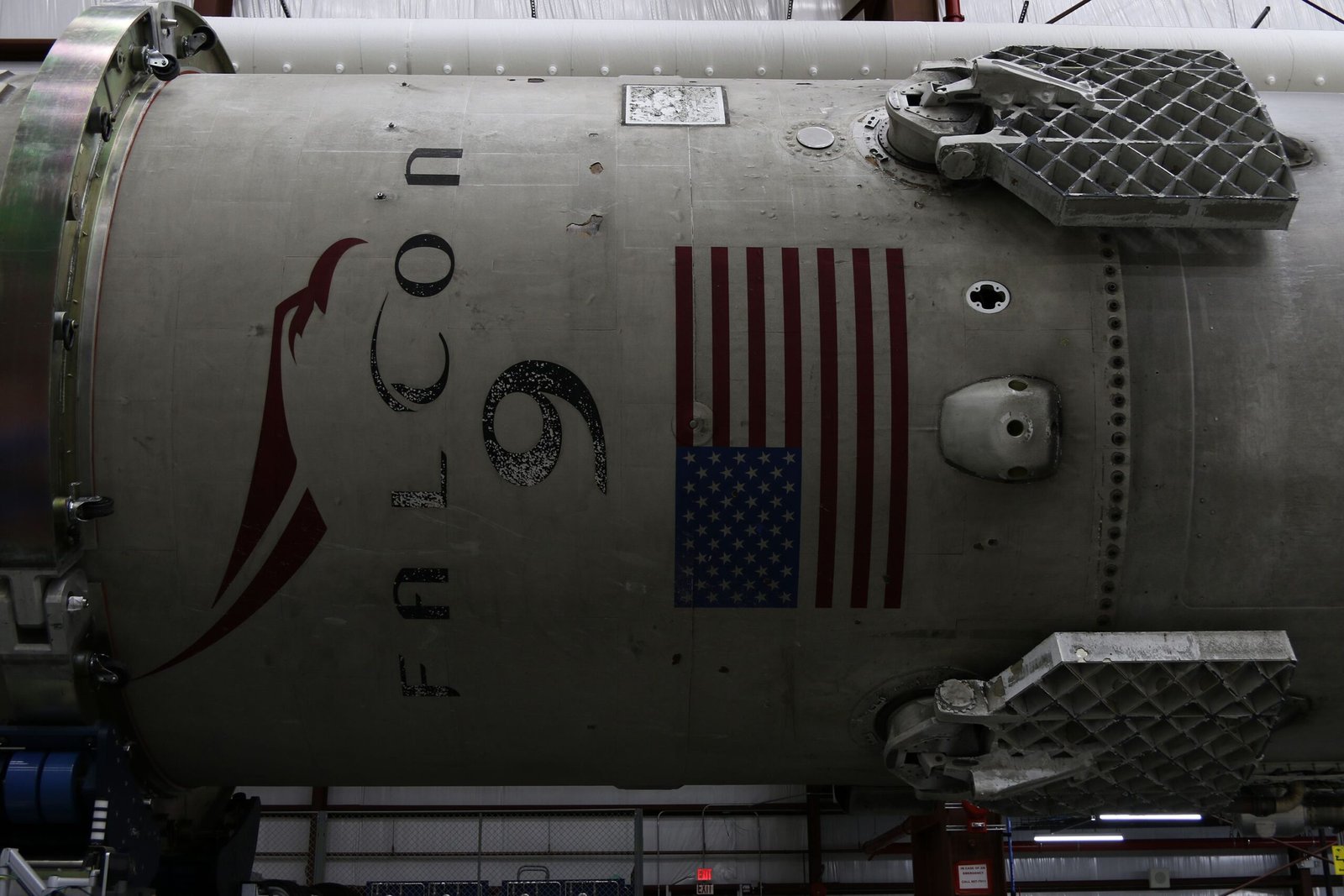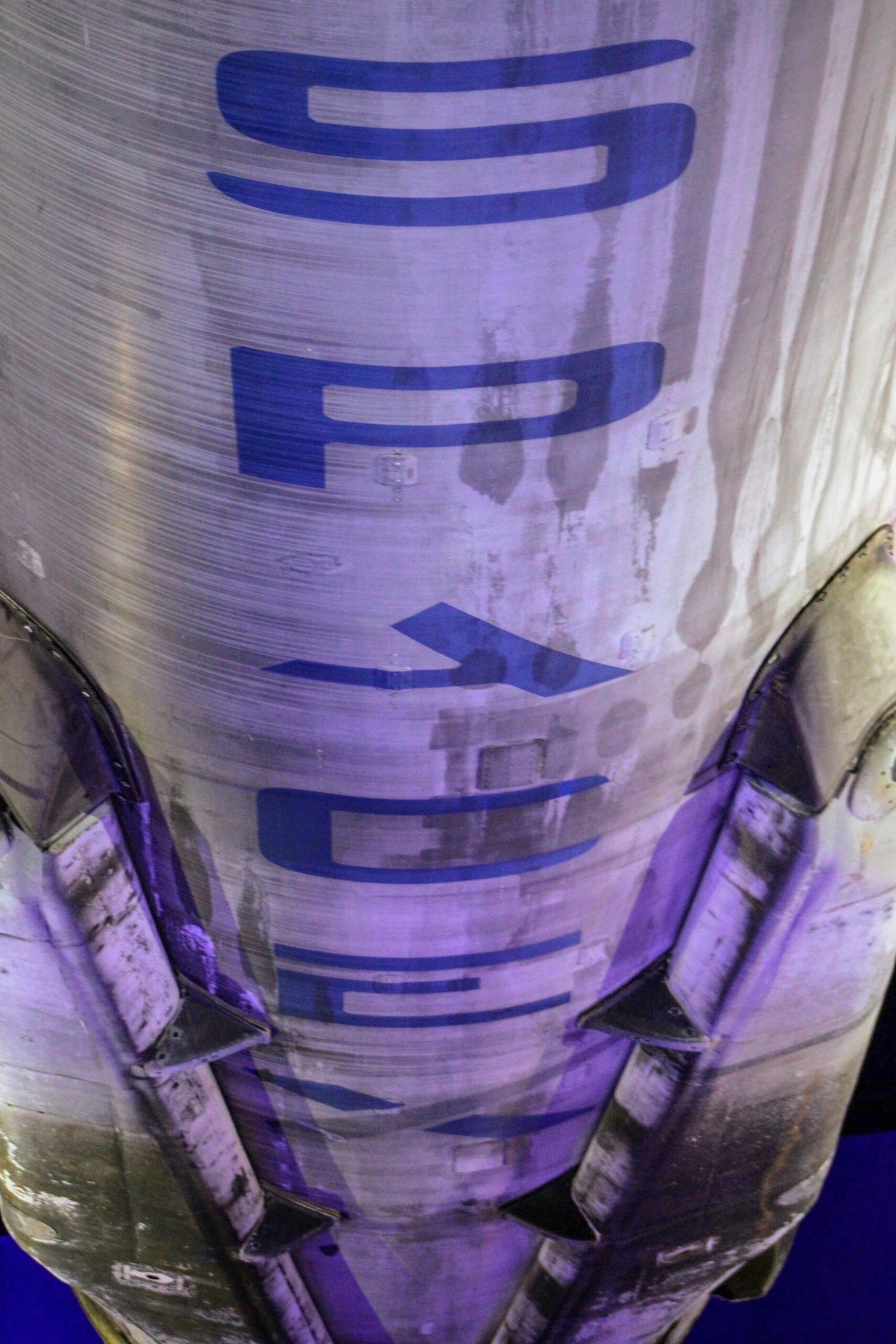
Elon Musk has officially become the world’s first trillionaire after shares in his rocket company, SpaceX, soared during the biggest-ever stock market debut on Friday.
The Tesla and SpaceX founder comfortably cemented his status as the world’s richest man, with his total net worth skyrocketing to an unprecedented $1.11 trillion (£828bn), according to the Bloomberg Billionaires Index.
The milestone was reached as the rocket, telecommunications, and artificial intelligence (AI) giant listed on the Nasdaq stock exchange, hitting a massive overall valuation of $2.2 trillion. While the company initially offered its shares at $135 each, trading opened at $150 and briefly peaked at $176.50, demonstrating massive investor enthusiasm. SpaceX shares eventually closed the day at around $161.
Breaking Down the Trillion-Dollar Wealth
The initial public offering (IPO) of SpaceX raised $75 billion from investors and underwriters before hitting the open market. Musk’s 42% ownership stake in SpaceX gives him nearly unilateral control over the company.
According to Bloomberg’s data, his wealth is divided as follows:
- SpaceX Shares: $767.1 billion (at close of trade)
- SpaceX Options: $53.8 billion
- Tesla Shares: $168 billion
- Tesla Options: $116.4 billion
Global Wealth Boost Sparks Intense Debate
Musk’s transition into the world’s first trillionaire immediately reignited global debates surrounding wealth inequality. His personal net worth is now comparable to the entire annual economic output (GDP) of countries like Switzerland or Poland.
Such immense wealth has turned Musk into an incredibly powerful and polarizing figure in global politics. Critics, including US Democratic Senators Bernie Sanders and Elizabeth Warren, quickly condemned the milestone, with Warren calling it a “wake-up call” that highlights the urgent need for a wealth tax.
Behind the scenes, Musk’s political influence continues to grow. Following his multi-million dollar backing of US President Donald Trump’s re-election campaign, Musk spent several months leading the newly formed Department of Government Efficiency (DOGE). Under his leadership, drastic spending cuts led to the closure of the US Agency for International Development (USAID)—a move that researchers writing in The Lancet medical journal warned could severely impact global health security by 2030.
Furthermore, Musk has continued to clash with international leaders, including UK Prime Minister Sir Keir Starmer, over high-profile criminal cases and immigration policies.
A High-Risk, High-Reward Future
Despite the staggering numbers, Musk’s trillionaire status remains largely “on paper,” as it is tied directly to volatile stock markets. Under IPO regulations, he is restricted from selling any of his SpaceX stock for at least one year.
Interestingly, SpaceX’s massive $2.2 trillion valuation is built heavily on future optimism rather than current profitability. Financial filings reveal that the company is not yet profitable, having lost over $9 billion across 2025 and 2026 due to aggressive infrastructure spending on rocket manufacturing, Starlink internet satellites, and its recent acquisition of the AI firm xAI.
Some market analysts remain skeptical. Nancy Tengler, head of Laffer Tengler Investments, labeled the company’s new AI segment a “cash incinerator,” though she still bought shares due to SpaceX’s long-term 10-year potential. Tengler also predicted that SpaceX might merge with Tesla within the next two years.
Ultimately, SpaceX’s ambitions stretch far beyond Earth. As stated in its official IPO prospectus, the company’s ultimate mission is “to build the systems and technologies necessary to make life multiplanetary… and to extend the light of consciousness to the stars.” While SpaceX openly admits in its paperwork that many of its deep-space and “lunar economy” initiatives rely on unproven technologies that do not yet exist, eager Wall Street investors showed on Friday that they are more than willing to take the gamble.
Source: Reuters / Bloomberg / EchoPress Newsroom